After a Car Accident in Rochester? Here’s Why Seeing a Chiropractor Should Be Your First Call

By Mt. Hope Chiropractic  |  Penfield, NY  |  Serving Greater Rochester | Article Review by: Dr. Robert DeNero

A car accident can turn your life upside down in a matter of seconds. Even a minor fender-bender (the kind where you walk away thinking you’re fine) can leave lasting damage that doesn’t show up until days or even weeks later. If you’ve recently been in a motor vehicle accident in the Rochester area, one of the most important calls you can make is to a chiropractor who specializes in accident recovery.

At Mt. Hope Chiropractic, we work with accident victims regularly out of our clinics in Penfield and Rochester, NY. Our goal is to help them understand what’s happening in their body, get relief from pain, and recover fully so they can get back to their lives. Here’s what you need to know.

Why You Might Feel Fine And Still Be Injured

This is one of the most common, and most risky, misconceptions after a car accident. Your body’s immediate response to trauma involves a flood of adrenaline and endorphins that can mask pain signals for hours or even days. By the time that wears off, inflammation has set in, tissues have begun to stiffen, and what felt like nothing is now a very real problem.

The most common injuries we see after motor vehicle accidents include:

  • Whiplash and neck strain caused by the rapid back-and-forth motion of the head during impact
  • Lower back injuries, including disc herniations, sprains, and muscle tears
  • Shoulder and upper back tension – often from gripping the steering wheel or bracing for impact
  • Headaches and jaw pain, frequently linked to neck and cervical spine trauma
  • Numbness or tingling in the arms or legs, which can indicate nerve involvement

Many of these injuries are soft tissue in nature, meaning they won’t always show up on a standard X-ray or emergency room scan. That’s one of the reasons a chiropractic evaluation is so important after an accident, even if you were cleared at the ER.

What Chiropractic Care for Motor Vehicle Accidents (MVA) Recovery Actually Looks Like

Chiropractic care for motor vehicle accident injuries isn’t one-size-fits-all. At Mt. Hope, your care starts with a thorough evaluation: We want to understand exactly what happened, where you’re feeling pain or restriction, and what your body needs to heal properly.

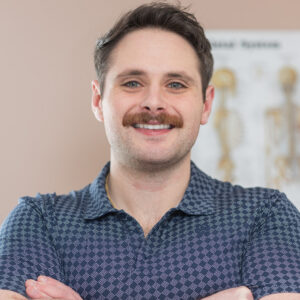
Dr. Noah Bentivenga, DC, who joined our team with a focus on motor vehicle accident cases and sports injuries, brings a thorough, patient-centered approach to MVA recovery.

Treatment may include:

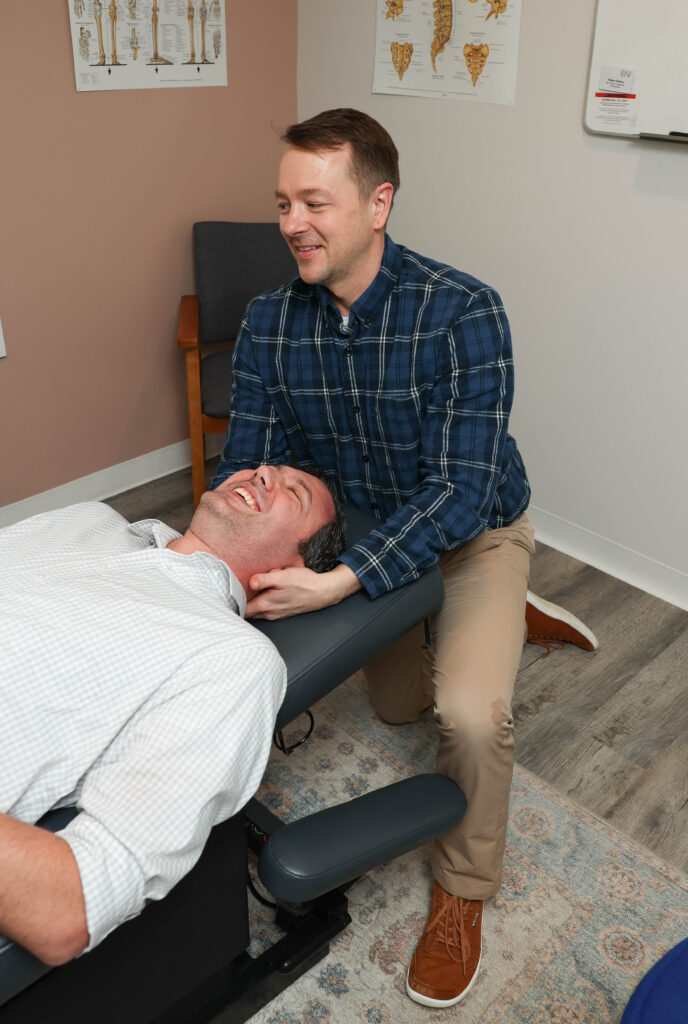
  • Chiropractic adjustments to restore proper spinal alignment and relieve nerve pressure
  • Soft tissue therapy to address muscle tension, spasm, and scar tissue formation
  • Instrument-Assisted Soft Tissue Mobilization (IASTM), a technique Dr. Noah is certified in, for targeted treatment of injured tissues
  • Rehabilitative exercises to rebuild strength and stability in affected areas
  • Patient education so you understand your injury and know what to expect during recovery
  • Heat, electric muscle stimulation (commonly referres to as muscle stim or tens) and therapeutic ultrasound as techniques employed to reduce inflammation, increase blood flow, decrease/numb pain.

The goal isn’t just to get you out of pain, it’s to make sure your body heals correctly so you’re not dealing with chronic issues down the road.

Why Timing Matters: Don’t Wait to Be Seen

One of the biggest mistakes accident victims make is waiting too long to seek care. There are two important reasons not to delay:

1. Your body heals faster when treatment starts early.

Inflammation and scar tissue begin forming almost immediately after an injury. Early chiropractic intervention can help manage inflammation, restore mobility, and prevent the kind of compensatory patterns that lead to longer recovery times and chronic pain.

2. Delays can complicate your insurance claim.

In New York State, Personal Injury Protection (PIP) insurance, also called no-fault insurance, covers chiropractic care after a motor vehicle accident, regardless of who was at fault. However, most policies require that you seek treatment within a certain window of time after the accident. Waiting too long can jeopardize your ability to have care covered. We help our patients navigate this process so they can focus on healing, not paperwork.

Navigating No-Fault Insurance in New York: What You Need to Know

New York is a no-fault state, which means your own auto insurance covers your medical expenses after an accident, regardless of who caused it. This includes chiropractic care, and it’s one of the reasons Rochester-area accident victims don’t need to let cost stand in the way of getting the care they need.

Here’s what the process generally looks like:

  • File a no-fault claim with your auto insurance provider as soon as possible after the accident
  • Schedule your chiropractic evaluation, we can see you quickly and will work with your insurance directly
  • Receive a care plan tailored to your injuries and recovery goals
  • Focus on healing while we handle the documentation and billing on your behalf

Have questions about your specific coverage or situation? Call our office, we’re happy to walk you through it.

Why Rochester Patients Choose Mt. Hope Chiropractic After an Accident

Mt. Hope Chiropractic has been serving the Penfield and greater Rochester community for years and we’ve built our reputation on actually listening to our patients and providing care that gets results. When it comes to motor vehicle accident recovery, here’s what sets us apart:

  • Specialized MVA experience: Dr. Rob, Phil, Michaela, and Noah bring focused training and certification in techniques particularly effective for accident-related injuries, including IASTM
  • Comprehensive evaluation: We don’t just treat the area that hurts; we assess the whole picture to make sure nothing gets missed
  • Integrated care: Our practice offers chiropractic, massage therapy, and infrared sauna, giving us multiple tools to support your recovery. Something unique to Mt. Hope is we offer massage therapy covered by no-fault insurance in the same office as chiropractic. 
  • Insurance navigation support: We work with no-fault insurance directly and help you understand your benefits
  • A team that genuinely cares: We know that recovering from an accident is stressful, and we’re here to make the process as smooth as possible

Frequently Asked Questions About Chiropractic Care After a Car Accident

How soon after a car accident should I see a chiropractor?

As soon as possible, ideally within 72 hours of the accident. Early care leads to faster recovery and helps protect your ability to use no-fault insurance benefits. Even if you feel okay, it’s worth getting evaluated so nothing gets missed.

Does chiropractic care hurt after a car accident?

We always adjust our approach based on where you are in recovery. In the early stages, when inflammation is high, treatment is gentle and focused on calming the nervous system and reducing muscle tension. As you heal, we progressively work toward restoring full function and mobility. Most patients feel significant relief early in their care.

Will my insurance cover chiropractic care after an accident in New York?

In most cases, yes. New York’s no-fault insurance law requires auto insurers to cover necessary medical care, including chiropractic, after a motor vehicle accident. We work with no-fault insurance directly and can help you understand your specific coverage.

What if I was in a minor accident and don’t think I was badly hurt?

We hear this all the time, and we still recommend coming in for an evaluation. Soft tissue injuries from low-speed impacts are extremely common and frequently underestimated. A brief evaluation gives you clarity, and if everything checks out fine, you’ll have peace of mind. If something is there, you’ll be glad you caught it early.

Ready to Start Your Recovery? We’re Here.

If you’ve been in a motor vehicle accident in Rochester, Penfield, or the surrounding area, don’t wait to get evaluated. The sooner you start care, the better your outcome. Mt. Hope Chiropractic is here to help you heal and to make the process as straightforward as possible every step of the way.
Prenatal Chiropractic Care in Penfield, NY: Is It Safe?

Pregnancy brings incredible changes to the body, some exciting, some uncomfortable, and some downright painful. As a result, many expectant mothers in Penfield, NY and the greater Rochester area start looking for natural, drug-free ways to manage pregnancy-related discomfort.

One common question we hear is:

Is prenatal chiropractic care safe?

The short answer: prenatal chiropractic care is widely considered safe when provided by a properly trained chiropractor who specializes in pregnancy care. Below, we’ll break down what prenatal chiropractic care is, how it works, its potential benefits, and what pregnant patients in Penfield should know before getting started.

1. What Is Prenatal Chiropractic Care?

Prenatal chiropractic care is a specialized form of chiropractic treatment designed specifically for pregnant women. As pregnancy progresses, the body experiences:

  • Changes in posture and center of gravity

  • Increased spinal and pelvic stress

  • Hormonal changes that affect ligaments and joints
    A chiropractor trained in prenatal care uses gentle, pregnancy-safe techniques to support spinal alignment and pelvic balance, without putting pressure on the abdomen.

Many prenatal chiropractors use specialized equipment, such as adjustable pregnancy tables, and modify their techniques to ensure comfort and safety at every stage of pregnancy.

2. Is Prenatal Chiropractic Care Safe During Pregnancy?

Yes, for most healthy pregnancies, prenatal chiropractic care is considered safe when performed by a licensed chiropractor with prenatal training.

According to professional chiropractic associations, chiropractors who work with pregnant patients are trained to:

  • Avoid unsafe pressure points

  • Use low-force or gentle adjustment techniques

  • Modify positioning as pregnancy progresses

  • Screen for contraindications or conditions that require medical clearance

That said, it’s always recommended that patients consult with their OB-GYN or midwife before beginning any new form of care during pregnancy.

3. Potential Benefits of Prenatal Chiropractic Care

While every pregnancy is different, many expectant mothers in Penfield and surrounding Rochester communities seek prenatal chiropractic care for support with:

  • Lower back pain

  • Pelvic discomfort

  • Hip pain or sciatica

  • Postural changes

  • General musculoskeletal tension

Some women also choose prenatal chiropractic care to support overall pelvic balance during pregnancy. A chiropractor specializing in prenatal care can explain how alignment may play a role in comfort and mobility throughout pregnancy.

Note: Results vary from person to person, and chiropractic care is not a substitute for medical prenatal care.

4. What Techniques Are Used in Prenatal Chiropractic Care?

Prenatal chiropractors often use modified techniques that are specifically designed for pregnancy, such as:

  • Gentle manual adjustments

  • Low-force instrument techniques

  • Side-lying or seated adjustments

  • Pregnancy-safe support pillows and tables

One commonly discussed prenatal approach is the Webster Technique, which focuses on pelvic balance. A prenatal chiropractor can explain whether this or other techniques may be appropriate based on the patient’s individual needs.

5. Who Should Avoid Prenatal Chiropractic Care?

While prenatal chiropractic care is safe for many patients, it may not be recommended for individuals with certain conditions, including:

  • Vaginal bleeding or placenta previa

  • Ectopic pregnancy

  • Severe toxemia

  • Certain high-risk pregnancy conditions

A qualified prenatal chiropractor in Penfield, NY will always review health history and collaborate with other healthcare providers when needed.

6. Choosing a Prenatal Chiropractor in Penfield, NY

If you’re considering prenatal chiropractic care, look for a provider who:

  • Has specific training or certification in prenatal chiropractic care

  • Regularly works with pregnant patients

  • Communicates clearly with OB-GYNs and midwives

  • Uses pregnancy-safe equipment and techniques

  • Is conveniently located in Penfield or the greater Rochester, NY area

Don’t hesitate to ask questions during your initial consultation, experience and comfort matter.

7. Know What Your First Visit Should Feel Like

Your first chiropractic visit should never feel like a drive-through appointment.

You can expect:

  • A thorough health history
  • Time to discuss your concerns and goals
  • Clear explanations of findings and recommendations
  • No pressure to commit before you’re ready

If you leave feeling rushed, confused, or talked at instead of with, that’s worth paying attention to.

Frequently Asked Questions (FAQ)

Is chiropractic care safe during all trimesters of pregnancy?

In many cases, yes. Prenatal chiropractic care can be adapted for the first, second, and third trimesters. Your chiropractor will modify techniques as your body changes throughout pregnancy.

Can prenatal chiropractic care help with back pain?

Many pregnant patients seek chiropractic care for back and pelvic discomfort related to posture changes and added spinal stress.

Do I need a referral from my OB-GYN?

Typically, no referral is required, but it’s always a good idea to inform your prenatal healthcare provider before starting chiropractic care.

Is prenatal chiropractic care available near Rochester, NY?

Yes. There are chiropractors in Penfield, NY and nearby Rochester communities who specialize in prenatal and pregnancy-safe chiropractic care.

Prenatal chiropractic care can be a gentle, supportive option for many expectant mothers looking for natural comfort during pregnancy. When provided by a trained professional, it is widely considered safe and adaptable to each stage of pregnancy.

If you’re pregnant and considering chiropractic care in Penfield, NY, consult with both your prenatal healthcare provider and a chiropractor who specializes in prenatal care to determine what’s best for you. At Mt. Hope, Dr. Michaela works with new and expecting mothers throughout their pregnancy and beyond.

Dr. Michaela Devaney, DC

How to Choose a Chiropractor in Rochester, NY

Choosing a chiropractor can feel a little overwhelming, especially if you’ve never been before, had a not-so-great experience in the past, or you’re dealing with pain that just won’t quit. 

Add in a Google search for “chiropractor Rochester NY” and suddenly you’re staring at dozens of options, all claiming to be the best.

So how do you actually choose the right chiropractor for you?

Whether you’re an athlete, a student, pregnant or postpartum, recovering from an auto accident, or managing a chronic condition, here’s what to look for when choosing a chiropractor in Rochester or Penfield, NY and how to know when you’ve found a good fit.

1. Make Sure They’re Licensed in New York State

This might seem obvious, but it’s step one.

All chiropractors practicing in Rochester and Penfield, NY must be licensed through New York State, which requires extensive education, board exams, and continuing education. Licensure ensures your provider meets professional and safety standards.

If a chiropractor is hesitant to discuss their credentials or training, that’s a red flag.

2. Look for a Chiropractor Who Treats People, Not Just Symptoms

Not all chiropractors practice the same way.

Some focus primarily on sports injuries, others on prenatal and pediatric care, while some work extensively with chronic pain or auto accident injuries. The best chiropractor for you will depend on your goals, lifestyle, and health history.

A good Rochester chiropractor should be comfortable working with:

  • Athletes and active individuals
  • New and expecting mothers
  • Students dealing with posture and stress-related pain
  • People with chronic or recurring conditions
  • Auto accident and injury recovery patients

You shouldn’t feel like you’re being squeezed into a one-size-fits-all plan because bodies don’t work that way.

3. Pay Attention to Their Approach to Care

This is one of the most important (and often overlooked) factors.

When choosing a chiropractor in Rochester or Penfield, ask yourself:

  • Do they listen before they treat?
  • Do they explain what they’re doing and why?
  • Do they offer individualized care plans?
  • Are they open to gentle approaches when needed?

Chiropractic care shouldn’t feel rushed, confusing, or pressured. You deserve to understand your care and feel comfortable asking questions, no anatomy required.

4. Read Reviews (But Read Between the Lines)

Online reviews can be incredibly helpful, if you know what to look for.

When reading Google reviews for chiropractors in Rochester, NY, pay attention to comments about:

  • Feeling heard and respected
  • Clear explanations
  • Long-term improvement, not just short-term relief
  • Positive experiences across different types of patients

Consistent themes matter more than a single glowing (or grumpy) review.

5. Consider Location, Convenience, and Accessibility

Let’s be honest: even the best chiropractor won’t help much if getting there feels like a chore.

Things to consider:

  • Is the office convenient to home, work, school, or daycare?
  • Is parking easy?
  • Do office hours fit your schedule?

Having locations in Rochester and Penfield can make ongoing care far more manageable, especially if you’re juggling work, kids, classes, or training schedules.

6. Ask About Insurance and Payment Options

Cost transparency matters.

Before starting care, you should feel comfortable asking:

  • Do you accept my insurance?
  • What does a typical visit cost?
  • Are payment options available?

Many chiropractors in Rochester, NY accept insurance, but coverage can vary. Clear communication upfront helps avoid surprises later.

7. Know What Your First Visit Should Feel Like

Your first chiropractic visit should never feel like a drive-through appointment.

You can expect:

  • A thorough health history
  • Time to discuss your concerns and goals
  • Clear explanations of findings and recommendations
  • No pressure to commit before you’re ready

If you leave feeling rushed, confused, or talked at instead of with, that’s worth paying attention to.

8. Watch for Red Flags

Not every chiropractor is the right fit and that’s okay.

Some signs it might not be the right match:

  • One-size-fits-all treatment plans
  • High-pressure sales tactics
  • No explanation of care or progress
  • Dismissive or rushed communication

Good chiropractic care should feel collaborative, not transactional.

9. How to Know You’ve Found the Right Chiropractor

You’ve likely found a great fit if:

  • You feel listened to
  • You understand your care plan
  • Your goals are respected
  • You feel supported, not pressured
  • You’re encouraged to ask questions (and actually get answers)

Bonus points if you leave feeling hopeful and maybe even a little relieved.

A Team-Based Approach to Chiropractic Care

At Mt. Hope Chiropractic and Wellness, care is never one-size-fits-all. Our team – Dr. Rob, Dr. Michaela, & Dr. Phil – works together to support patients of all ages and activity levels, from athletes and students to expecting mothers and those recovering from injuries.

Having multiple chiropractors means patients benefit from a wide range of experience, perspectives, and treatment styles, while still receiving consistent, personalized care.

Choosing a chiropractor in Rochester or Penfield, NY doesn’t have to be complicated, but it should be thoughtful. Trust your instincts, ask questions, and look for a provider who treats you, not just your symptoms.

If you’re exploring chiropractic care and want a friendly, experienced team that values individualized care, Mt. Hope Chiropractic and Wellness is happy to help you take the next st

Dr. Rob Denero, DC

Dr. Michaela Devaney, DC

Dr. Phil Bechard, DC

Frequently Asked Questions About Chiropractic Care in Rochester, NY

Do I need a referral to see a chiropractor in New York?

No, a referral is not required to see a chiropractor in New York State.

How often should I see a chiropractor?

It depends on your condition, goals, and response to care. A good chiropractor will adjust recommendations as you progress.

Is chiropractic care safe during pregnancy?

Yes, when provided by a trained chiropractor using appropriate techniques.

Can chiropractic care help after an auto accident?

Many people seek chiropractic care following auto accidents to address pain, stiffness, and movement restrictions.

How Chiropractic Care Helps Prevent Winter Sports Injuries (+ Warm-Up Routine)

As winter approaches, many thrill-seeking individuals are eager to stay active and enjoy seasonal sports like hitting the slopes or skating on ice. Others just want to get the ice and snow out of their driveways by shoveling consistently. Regardless of activity, injury prevention is an important thing to consider!

Whichever Winter activity you pursue, at Mt. Hope Chiropractic, we encourage everyone to enjoy the season, but we’ve also seen the unfortunate aftermath of these activities on spine and joint health. That’s why it’s important to practice safety in all winter activities to keep your body in shape. 

Explore the different exercises in this Winter Activity guide to help you tune in with the best way to prepare prior to activity in the colder months! Flow through all of these exercises together for a complete warm up.

Why Are Injuries More Likely to Occur When It’s Cold Outside?

Colder temperatures affect your body’s functions, creating additional challenges for physical activity. Individuals often have increased pain and discomfort during the cold months. Chilly weather causes your blood vessels to constrict, preserving heat and limiting blood flow to muscles, which can lead to stiffness. Reduced flexibility can lead to mobility challenges and increase the risk of strains or pulled ligaments during sudden movements. 

Learn the science of how muscles work!

The cold also slows reaction time, and when you do activities that require balance in slippery conditions while wearing bulky gear, it can increase the risk of misalignment and tension. Regular chiropractic adjustments can help your body perform in these conditions by providing proper alignment checks, enhancing circulation, and improving mobility, keeping you going all season long.

🔥 What’s the Best Way to Warm-Up Before Any Winter Activity for Injury Prevention?

Starting any activity without a warm-up is one of the easiest ways to get injured, as your muscles and joints need time to adapt to the weather. Here are some pre-activity tips to practice:

  • Start Indoors

Do 5-10 minutes of light indoor movement to warm up your muscles, such as walking, jumping jacks, or squats.

  • Focus on Dynamic Stretching

Beginning with breathing helps put your body in a more relaxed state (parasympathetic state to be exact!), which can help reduce any tension present and focus the mind.

For lower-hip mobility, start with leg swings and hip circles to loosen joints. Twist your torso and do arm circles to prepare your shoulders and core for any outdoor activities.

  • Strengthen Core and Lower Body

The core and lower body help maintain balance and absorb impact. Consistent strength training exercises during the season will improve stability and reduce the risk of injury.

  • Use Proper Equipment

Bird Dog is an excellent way to play around with engaging the core in a way that makes you have to stabilize in a safe yet challenging manner. Perfect practice for when something unpredictable happens during life’s activities. Remember to breathe!

Wearing the right gear for these activities is a major factor in your safety. Skis, snowboards, or skates must be appropriately fitted to your body and skill level. Don’t forget your helmet and wear waterproof attire to keep you safe and warm. For snow shoveling or walking outside, make sure you have a warm hat and gloves.

 🧊 What Are Some Common Winter Injuries and How Can I Prevent Them?

Skiing & Snowboarding:

Rochester has some great slopes to choose from, like Bristol Mountain or Swain Ski Resort, with something for every level, whether you “pizza” or “french fry” down the mountain. Sudden twists, uneven terrain, and overexertion can increase the risk of sprains, shoulder separations, and lower back pain. Maintaining good form, with knees bent, will help prevent misalignment. Take breaks when needed and stop before the point of overexertion, as many accidents occur then.

Skiing and Snowboarding require a LOT of core stability. Learning to contract while breathing and moving can help you prepare!

Ice Skating & Hockey:

Checking out the outdoor ice-skating rink at Martin Luther King Jr. Memorial Park is a must-do festive activity, with rentals available for everyone. However, falls, poor posture, and repetitive twisting motions can cause strains, tailbone pain, and whiplash. Keep the core engaged during activities and strengthen the ankles and hips off-ice.

Increasing capacity for rotation helps prepare the body for dynamic actives and promote long-term spine health.

Snow Shoveling

Keeping your driveway clear of snow and ice can help prevent slips that can cause misalignments and acute injuries. Poor lifting technique and twisting can cause low back pain, strains, and muscle tension. Practice lifting through your legs, not your back, and push the snow rather than lifting as much as possible. Take periodic breaks to stretch and rest.

Moving the shoulder joint through its entire range of motion can lubricate the joint and show you where you might need to strengthen. 

Winter Walk or Hike

With many options of parks and trails to explore during the winter months, getting outside is one of the best ways to keep your body active. Fresh air and movement can boost your mental health, reduce stiffness, and support spinal alignment. Always dress mindfully of the weather and layer when needed, even with the quick trips outside to let your dog out.

An easy but aligned posture is key to repetitive activities like hiking and walking. Prime your system’s intrinsic stabilizers with this full-body movement.

How Can Chiropractic Care Support Recovery?

Staying active during the winter is beneficial for your health and wellness. Chiropractic care can support your safety and injury prevention to enjoy the colder months. Regular adjustments can improve mobility, enhance balance, speed up recovery, and relieve stress. Staying in tune with your body can balance your mind-body awareness for overall wellness. Winter is a time to enjoy the weather and seasonal activities, not stay inside and wait it out. Whether you are preparing to skate, visit the mountains, or keep your driveway clear, your body’s well-being should be your top priority. Enjoy these tips to stay active, healthy, and pain-free this winter.

🎯 Bonus: Quick Winter Safety Checklist

✅ Stay hydrated as it is difficult to sense dehydration in colder weather

✅ Practice warm-up methods

✅ Layer clothing to keep muscles warm

✅ Have proper equipment and good posture

✅ Visit a chiropractor for check-ins and support

Common Chiropractic Misconceptions

When it comes to chiropractic care, there is a lot of misinformation regarding this broad scope of treatment,  causing people to fear or dismiss the idea of chiropractic care altogether.

This type of treatment has been a trusted option for people seeking non-invasive, non-medicated ways to manage pain and support overall wellness. From misconceptions about the legitimacy of chiropractors to misunderstandings of what an adjustment feels like.

Read through as we break down some of the top chiropractic misconceptions.

Misconception #1: Chiropractors Aren’t Real Doctors

Chiropractic physicians must earn a Doctor of Chiropractic (D.C.) degree with extensive coursework in physiology, neurology, anatomy, and more.

They also must pass national board exams with strict requirements to obtain their practicing license. Chiropractors are not licensed to perform surgeries or prescribe medications.

However, they specialize in less invasive forms of medicine with vast proven evidence of their safety and effectiveness.

Like working with any professional, it can take trial and error to find a provider you work best with and has experience relevant to the challenge you face. 

Misconception #2: You Have to Get Adjusted with Neck or Back “Cracking”

Many people avoid chiropractic care because they believe that every visit requires some form of twisting and loud cracking.

While spinal alignment adjustments do require some cracking, this is just one tool used. The cracking that you hear is actually just a pocket of air or gas collapsing, making that distinct sound, similar to cracking your knuckles.

However, many people decide to visit Mt. Hope and receive alternative treatments with similar benefits.

We have special tables for Flexion/Distraction and drop table techniques, and we almost always incorporate heat and electric stimulation into visits along with therapeutic exercises, trigger point therapy, instrument assisted soft tissue mobilization (IASTM), ultrasound, traction, and/or ergonomic coaching to help our patients.

None of those approaches require “cracking.” We have a lot of tools in the toolbox besides adjusting.

Your experience is entirely customizable, as we offer comprehensive full-body wellness with a range of modalities, including massage, sauna, movement assessments, and general pain management.

Misconception #3: Once You Need Chiropractic Care, You Will Always Need It

A common misconception in chiropractic care is that once you start treatment, you must continue to visit to maintain the benefits.

While chiropractic care is preventative, and many people do choose to have continuous check-ins, the frequency you decide to receive treatments is entirely up to you.

Many patients visit for short-term pain relief, while others prefer ongoing care to improve aspects such as posture, energy, or recovery time.

Chiropractic care can be compared to exercise; You don’t have to go to the gym consistently, but you feel better when you do.

.

Misconception #4: The Part that Hurts on Your Body is the Source of the Issue

Pain is trickier than you think, it often can be a symptom and not the root cause.

For example, the hip pain you’re experiencing could be a result of poor posture or a misalignment in the spine.

Chiropractic care focuses on the entire body, not just the source of pain. This helps identify any underlying problems to ensure you have lasting relief, rather than a quick, short-term fix.

Misconception #5: Chiropractic Adjustments are Painful

A common fear people have before booking a chiropractic appointment is that the adjustments will be painful.

The purpose of an adjustment is to restore movement, minimize tension, and help your body’s functionality.

Many people describe the adjustments as gentle, quick, and relieving.

However, it isn’t uncommon for clients to experience mild and temporary soreness following their appointment.

Our care is tailored to your comfort level, utilizing a range of techniques and low-impact methods. Many people leave their adjustment feeling lighter with improved mobility.

Overall, we want you to listen to what feel right for you, and we’ll find a way to support. 

Chiropractic care is so much more than cracking backs.

It involves less-invasive, more natural ways to help your body function optimally. By reading through these common misconceptions, you will gain a better understanding to make informed decisions that boost your health and wellness.

At Mt. Hope, our mission is to educate, empower, and offer personalized care to support customers’ unique needs.

If you were curious about the less familiar aspects of chiropractic care, we hope to have provided you with some clarity.

Study Hacks to Save Your GPA (and Your Sanity)

The back-to-school time of year is here, which can often mean long study sessions, late-night cramming, and increased time spent at your desk. While hours of preparation and work are necessary, the way you set up your study environment can make a major difference in your success.

At our chiropractic clinic, we focus on the healthy habits students can practice outside of the classroom. The way you sit, study, and care for your body has a direct impact on your focus, energy, and
overall wellness.

Here are five chiropractor-approved tips to help you study better and optimize your academic potential.

1. Create a Spine-Friendly Study Space

Spending hours hunched over a laptop or textbook can impact your ability to concentrate. These simple ergonomic adjustments can help keep your spine aligned correctly, ensuring your nervous system
functions at its best during long study sessions.

👉 Tips to Get Started:

  • Raise your screen to eye level to avoid constant neck strain. Use extra books, bins, food boxes, whatever you have handy that is sturdy works!
  • Keep your legs grounded by keeping your feet flat on the floor for proper body circulation.
  • In your desk chair, your elbows should rest comfortably at a 90- degree angle.
  • Sit leaned back in a chair with support for your lower back.

2. Scheduled Study Breaks

To retain and process information effectively, your brain needs intermittent breaks. Cramming information at the last minute may seem like the quickest way to work through material, but little breaks will help your mind and body refresh.

👉 Tips to Get Started:

  • Practice the Pomodoro technique: Study for 25-30 minutes, then take a 5-minute break. Apps like Focus Friend can help make this easier! 
  • Take periodic breaks to stretch, walk, or do a posture reset.

3. Monitor Caffeine Intake

Many students heavily consume coffee, soda, and energy drinks to give them a boost throughout their day. While a little caffeine can sharpen focus, too much late in the day can cause insomnia and jitteriness. Monitoring your caffeine intake and opting for alternatives can enhance your memory retention and focus. 

👉 Tips to Get Started:

  • Try to avoid consuming caffeine directly before bed.
  • If you need caffeine, switch to lower intensity options like green tea or even hot cocoa!
  • Substitute for bubbly water or herbal tea to stay hydrated.
  • Re-energize naturally by taking a quick break to get up and move around.

.

4. Prioritize Sleep and Recovery

Although it may feel productive to stay up late into the night studying, proper rest is the time your body repairs itself and processes information from the day. A well-rested student will continuously perform better than a sleep-deprived one.

👉 Tips to Get Started:

  • Aim for 7-9 hours of quality sleep every night.
  • Stick to a regular sleep schedule.
  • Book a chiropractic care appointment to help your nervous system and muscles reset.


5. Fuel Your Brain

The fuel you provide to your body while studying directly impacts your ability to think and concentrate effectively. Instead of chips or candy, opt for nutrient dense food that supports your body’s processes.

👉 Tips to Get Started:

  • Keep a reusable water bottle with you to avoid brain fog.
  • Eat protein-packed foods (nuts, yogurt, cheese)
  • Brain booster foods like blueberries, greens, and dark chocolate are a good option.

.

Optimizing your study environment and schedule not only promotes student productivity, but it also includes taking proper care of your body and mind.

By creating an ergonomic study space, managing caffeine consumption, and prioritizing sleep, you can set yourself up for academic success.

At Mt. Hope Chiropractic, we’re here to support your overall wellness. If you’ve been experiencing headaches, tension, and poor posture due to increased hours of studying, consider booking a massage or chiropractic care appointment with us to help you feel your best!

Our Top Recovery Tips to Feel Your Best and Why They Work

Our Top Recovery Tips to Feel Your Best and Why They Work

If you’re dealing with chronic pain, tight muscles, or post-workout fatigue, true recovery goes far beyond just “rest.” At our chiropractic clinic, we focus on how the nervous system, muscles, and connective tissue work together, and how you can actively support your body in healing. Here are six science-backed recovery tips that can make a big difference between feeling just okay… and feeling your best.

1. Prioritize hydration

Why it works: Water is essential for cellular repair, nutrient delivery, and waste removal. It also keeps your intervertebral discs (the cushions between your spinal vertebrae) properly hydrated, which helps maintain spinal flexibility and absorb shock.

Dehydration contributes to muscle cramps, joint stiffness, and slower tissue healing. Aim for half your body weight in ounces daily (more after a sauna or workout) to keep your body functioning at its best.

👉 Tips to Get Started:

Keep a reusable water bottle with you and set reminders to sip regularly.

Add electrolytes or fruits to make it fun and (especially after cold plunges or saunas) support mineral balance.

Check your hydration with the simple pee test – pale yellow is the goal!

2. Embrace Cold Exposure

Why it works: Cold exposure stimulates vasoconstriction, reducing swelling and inflammation by constricting blood vessels. After exposure, as your body rewarms, vasodilation increases circulation, flushing out metabolic waste like lactic acid.

Cold exposure triggers the vagus nerve, helping shift your body from fight-or-flight into a more balanced parasympathetic state. This can reduce pain perception and improve resilience to stress, both physical and mental.

👉 Tips to Get Started:

Try ending your shower with 30–60 seconds of cold water.

Use a cold compress or ice bath on sore areas post-exercise.

Ready to go all-in? Book a cold plunge session at our clinic.

3. Sweat it Out in the Sauna

Why it works: Heat exposure causes vasodilation, increasing blood flow to tissues, which accelerates healing and reduces muscle tension. Saunas also stimulate heat shock proteins, which help repair damaged proteins in cells, supporting recovery on a molecular level.

In addition, sweating supports detoxification through the skin, and the heat can temporarily relieve stiffness in joints and connective tissue, making your chiropractic adjustments and stretches more effective.

👉 Tips to Get Started:

Start with 10–15 minutes in a sauna 1–2 times per week.

Stay hydrated and listen to your body, step out if you feel lightheaded.

Book a contrast therapy session (hot/cold) at our clinic for amplified benefits.

4. Work in More Massage

Why it works: Massage therapy promotes myofascial release, breaking up adhesions and improving range of motion. It boosts lymphatic circulation, helping clear out waste and reduce inflammation.

Even more importantly, massage can reduce levels of the stress hormone cortisol, while boosting serotonin and dopamine, helping your nervous system regulate pain and mood. Paired with chiropractic care, massage can help maintain alignment and reduce muscular compensation patterns.

👉 Tips to Get Started:

Use a massage gun or therapy ball on tight spots (we can show you how!).

Book a professional massage at our clinic, especially after adjustments.

Try self-massage on your feet, forearms, or neck before bed to wind down your nervous system.

5. Listen to Your Body

Why it works: Pain is a signal, not a problem to ignore. Tuning into early signs of tension, fatigue, or dehydration gives you a chance to intervene before a minor issue becomes a chronic one.

Rest when your body asks for it, stretch daily, and don’t wait for a flare-up to get care. The nervous system thrives on consistency—not extremes. Regular chiropractic visits, gentle movement, and daily self-check-ins help maintain long-term health and performance.

👉 Tips to Get Started:

Do a 2-minute body scan each morning: “What feels tight? What feels off?”

Keep a journal or app to track pain levels, energy, and hydration.

Schedule regular chiropractic visits, even when you’re not in a flare-up.

6. Never Skip Sleep

Why it works: Sleep is your body’s primary recovery system. Period. No amount of supplements, massage, or cold plunges can make up for poor sleep. During deep sleep, your brain clears waste, your muscles repair, and your immune system strengthens.

Sleep is so essential that nearly all life forms, even plants, have circadian rhythms. That means sleep is older than the plant-animal split in evolution. If something that is ancient is still with us, it’s probably important.

👉 Tips to Get Started:

  • Aim for 7–9 hours of consistent, quality sleep
  • Keep your room cool, dark, and screen-free
  • Build a wind-down routine (stretching, self-massage, no caffeine late-day)

Trouble sleeping? Let us know, chiropractic adjustments can support nervous system balance.

At our clinic, we blend science, bodywork, and a nervous-system-first approach to help you recover better and feel stronger. Whether you’re managing pain, recovering from injury, or just want to feel better in your body, these tips are a great place to start.

📅 Ready to take the next step? Book a visit or wellness session today!

Bumpdate #2 with Dr. Mick: Carpal Tunnel Update

Bumpdate with Dr. Mick: Carpal Tunnel Update

Hey everyone! Welcome back to this week’s Bumpdate. As many of you know, I always try to keep it real with what’s going on during this pregnancy—because let’s face it, growing a human is a humbling experience! This week, I want to update you on my journey with pregnancy-related carpal tunnel syndrome.

Over the past few months, I’ve been managing classic carpal tunnel symptoms—numbness, tingling, and weakness in my hands—especially at night and after a long day of treating patients. I started with all the conservative therapies: massage, chiropractic care, splinting at night. While those helped temporarily, the symptoms kept returning with more intensity.

So, after a lot of thought (and talking with my OB), I decided to move forward with cortisone injections.

What Are Cortisone Shots?

Cortisone shots are a powerful anti-inflammatory treatment. When injected into the carpal tunnel (the narrow passageway in the wrist where the median nerve runs), cortisone can reduce swelling and relieve pressure on the nerve—giving much-needed relief from pain, numbness, and weakness.

For pregnant patients, cortisone injections are often considered when conservative treatments haven’t done the trick. They’re generally safe during pregnancy and can provide relief during those critical weeks (or months) before delivery when daily function really matters.

My Recovery Experience

I won’t sugarcoat it—the first few days after the injections weren’t exactly a trip to the spa. I had some soreness at the injection sites, numbness across both of my palms and my hands felt like 2 blocks of lead– which led me to take a full 24 hours off from treating patients to let my body rest. I slowly eased back into hands-on care, listening to my body every step of the way.

By day 10, the results were pretty incredible. I had full strength back in my hands, no more tingling waking me up at night, and—yes, this is a big one—I could finally use a stapler again and squeeze toothpaste onto my toothbrush without help from my husband (shoutout to Cody for being the best!) 😂.

It’s been such a relief to have my hands back, and I’m feeling a lot more like myself in the office again.

And Now for the Baby Bumpdate…

Baby Boy is doing GREAT! His heartbeat is strong, he’s got all four limbs (always nice to confirm that on ultrasound!), and he’s currently weighing in at 3lb 6oz, which puts him in the 66th percentile for weight. He’s growing beautifully and staying very active in there—his kicks and punches are getting stronger every day!

Thanks so much for following along with me. I’m always grateful for the support and love from my coworkers and patients. If you’re dealing with pregnancy-related carpal tunnel (or any other fun third-trimester symptoms), don’t hesitate to reach out—I’m right there with you!

Until next time,
Dr. Mick (and Baby Arthur)

Bumpdate #1 with Dr. Mick!

Welcome to Dr Michaela’s very first Weekly Bumpdate—a little corner of our blog where she shares what it’s like to go through pregnancy while continuing to care for all of you as your chiropractor.

Preventing Hip Pain: Strengthen the Hips and Glutes with Mobility and Balance

If you’re experiencing hip pain, back pain, knee discomfort, or balance issues, the source of your problem might surprise you. At Mt. Hope Chiropractic, we’ve observed a common pattern: many patients come to us with pain that actually stems from weak or imbalanced hip and glute muscles.

These powerful muscle groups form the foundation of healthy movement, yet they’re frequently overlooked until problems arise. Maintaining strong hips and glutes isn’t just about avoiding pain—it’s about enabling you to fully enjoy an active lifestyle throughout all four seasons.

Why Hip and Glute Strength Matters

The demands of daily life create unique challenges for our bodies:

  • Winter weather challenges: Walking safely on icy sidewalks requires substantial hip stability and balance
  • Seasonal activities: Snow shoveling, gardening, and leaf raking all rely on proper hip function
  • Recreational activities: Activities like canoeing, cycling, and hiking require hip mobility and strength
  • Workplace demands: Whether you’re in healthcare or working at a desk job, your hips are affected

Your hips and glutes serve as the power center for most body movements. When they’re functioning optimally, they:

  • Stabilize your pelvis during walking and standing
  • Support proper knee alignment during movement
  • Generate power for climbing, lifting, and athletic activities
  • Enable proper transfer of force between your upper and lower body
  • Maintain balance on uneven terrain (crucial for Rochester winters!)

When weakness or imbalance develops in these muscles, the effects can cascade throughout your body, creating hip pain and overall dysfunction that might seem unrelated to your hips or glutes.

The “Sitting Epidemic” and Hip Health

Many people spend significant time sitting—whether during commutes, at desk jobs, or during long winter evenings. This prolonged sitting leads to what we call “sleepy glute syndrome,” where these powerful muscles become inactive and weak.

The consequences of this modern lifestyle are significant:

  • Gluteal muscles become inhibited and harder to activate
  • Hip flexors tighten, limiting proper movement and leading to hip pain
  • Lower back muscles compensate, leading to fatigue and strain
  • Walking patterns change, creating additional stress on knees and ankles

This is particularly relevant for professionals who may spend 8+ hours daily at desks before heading home to more sitting during evening activities.

Common Problems Stemming from Hip and Glute Issues

While hip pain and glute pain may be more straightforward when it comes to identifying problem areas, at Mt. Hope Chiropractic, we frequently see patients with these conditions that are actually rooted in hip dysfunction:

Lower Back Pain

Perhaps the most common connection—weak glutes force your back muscles to compensate during activities like lifting groceries or climbing stairs. This compensation leads to muscle strain and pain.

Knee Pain

Weak hip muscles, particularly the gluteus medius, can cause your knees to collapse inward during activities like hiking or squatting to garden. This improper alignment stresses the knee joint and can lead to persistent pain or even injury.

Hip and Knee Arthritis Progression

While arthritis has many causes, poor movement patterns from weak hips can accelerate joint degeneration. Proper hip function helps distribute forces more evenly through joints.

Poor Balance and Stability

Essential for navigating winter conditions, balance relies heavily on hip strength. Many falls and injuries among our patients could be prevented with better hip stability.

Reduced Athletic Performance

Whether you’re playing in a recreational sports league or trying to improve your golf game, hip strength directly impacts your performance and enjoyment.

Proactive Exercises for Preventing Hip Pain

Based on our experience with thousands of patients from across Monroe County, we’ve identified key exercises that are particularly effective for Rochester residents looking to strengthen their hips and glutes:

1. Glute Bridge (10 reps)

This fundamental exercise activates often-dormant gluteal muscles:

  • Lie on your back with knees bent and feet flat on the floor
  • Tighten your abdominal muscles and squeeze your gluteal muscles
  • Lift your hips off the floor until your body forms a straight line from shoulders to knees
  • Hold for 2-3 seconds at the top, focusing on the contraction in your glutes
  • Lower slowly back to the starting position
  • Repeat 10 times

For many patients who sit for long workdays, this exercise helps “wake up” muscles that have become inactive. It’s simple yet extremely effective for rebuilding gluteal strength.

2. Glute Bridge with Resistance Band (for progression)

Once the basic glute bridge becomes easier:

  • Place a resistance band just above your knees
  • Perform the bridge as described above, but also press outward gently against the band
  • This additional challenge engages more muscle fibers in the outer hip

This variation is particularly helpful for runners who need lateral hip stability on trails and uneven terrain.

3. Hip Hinge Practice (5 reps)

Learning proper hip hinging is fundamental for protecting your back:

  • Stand with your feet shoulder-width apart
  • Place your hands on your hips
  • Keep your back flat while bending forward from your hips (not your waist)
  • Feel the stretch in your hamstrings while maintaining a neutral spine
  • Return to standing by squeezing your glutes
  • Repeat 5 times

Mastering this movement pattern helps prevent injuries during everyday activities like picking up items from the floor or loading groceries into your car.

4. Gentle Squat (10 reps)

This functional movement strengthens multiple muscle groups:

  • Stand with feet slightly wider than hip-width apart
  • Keeping your weight in your heels, lower your body as if sitting in a chair
  • Only go as deep as comfortable while keeping your knees tracking over your toes
  • Return to standing by pushing through your heels and squeezing your gluteal muscles
  • Repeat 10 times

Proper squat form is crucial for Rochester residents, especially for seasonal activities like gardening in spring or lifting holiday decorations from storage in winter.

5. Squat with Resistance Band

To progress the basic squat:

  • Place a resistance band just above your knees
  • Perform the squat as described above, but also press outward gently against the band
  • This increases activation of the hip abductors (outer hip muscles)

This variation is excellent for developing the lateral stability needed for activities like cross-country skiing at Mendon Ponds or navigating icy sidewalks in Brighton.

Addressing Hip Mobility: Equally Important

Strength without mobility creates its own problems. These stretches complement the strengthening exercises:

1. Hip Flexor Stretch

For those who sit at Rochester’s many office-based employers:

  • Kneel on one knee with the other foot planted in front
  • Keep your back straight and gently shift your weight forward
  • Feel the stretch in the front of your hip on the kneeling leg
  • Hold for 30 seconds on each side

2. Figure-4 Stretch

To target the deep rotators of the hip:

  • Lie on your back with knees bent
  • Cross one ankle over the opposite knee
  • Gently pull the uncrossed knee toward your chest
  • Hold for 30 seconds on each side

This stretch is particularly beneficial after activities like golfing at one of Rochester’s beautiful courses.

Beyond Exercises: Comprehensive Hip and Glute Health

While targeted exercises form the foundation of hip and glute strength, a comprehensive approach includes several other factors relevant to Rochester residents:

Everyday Movement Patterns

How you perform daily activities significantly impacts your hip health:

  • Practice standing on one leg while brushing your teeth for improved balance
  • Take the stairs instead of the elevator
  • Park farther from entrances to stores to increase walking
  • Perform mini-squats when picking items up instead of bending at the waist

Rochester Winter-Specific Strategies

Our challenging winters present unique opportunities for hip strengthening:

  • Practice deliberate walking on slippery surfaces, engaging your hips for stability
  • Use proper form when shoveling snow, initiating movement from your hips
  • Consider indoor walking at RIT or University of Rochester when outdoor conditions are poor
  • Try snowshoeing at Mendon Ponds for an excellent hip workout

Workplace Strategies for Rochester’s Professionals

If you work from an office most of the day, consider incorporating the following:

  • Stand up every 30 minutes to reset your hip position
  • Consider a sit-stand desk arrangement
  • Perform seated glute squeezes during long meetings
  • Take short walking breaks around your workplace

When to Seek Professional Care in Penfield or Brighton

While these proactive measures can significantly improve your hip function, sometimes professional guidance is necessary. Consider scheduling an appointment at Mt. Hope Chiropractic if:

  • You experience pain in your hips, lower back, or knees
  • You notice one hip is significantly tighter or weaker than the other
  • You’ve recently increased your activity level and are experiencing discomfort
  • You have a history of hip, knee, or back injuries
  • You’re not seeing improvement despite consistent exercise
  • You want a personalized assessment and exercise program

Our approach at Mt. Hope Chiropractic combines evidence-based assessments with personalized care. We don’t just recommend generic exercises—we identify your specific imbalances and design targeted strategies to address them.

The Mt. Hope Chiropractic Approach to Hip and Glute Health

At Mt. Hope, we take a comprehensive approach that includes:

  1. Functional movement assessment to identify your specific strengths and limitations
  2. Hands-on treatment to address restrictions that may be limiting your movement
  3. Personalized exercise prescription based on your needs and goals
  4. Education about optimal movement patterns for your daily activities
  5. Progression strategies to continually challenge your body as you improve

Our goal isn’t just to help you overcome current limitations but to build resilience that supports your active Rochester lifestyle year-round.

Take Action for Your Hip Health Today

Don’t wait until pain or dysfunction limits your ability to enjoy all that Rochester has to offer. Take a proactive approach to your hip and glute health today.

Start by incorporating these simple exercises into your daily routine. Just 5-10 minutes can make a significant difference in how you move and feel.

For personalized guidance and care, schedule an appointment at our Rochester office. Our experienced team is ready to help you build the strong foundation you need for an active, pain-free life.

Book your appointment today. Your body will thank you for the investment in your foundation!

Schedule:

Lorem ipsum dolor sit amet, consectetur adipiscing elit. Ut elit tellus, luctus nec ullamcorper mattis, pulvinar dapibus leo.

Add Your Heading Text Here

Lorem ipsum dolor sit amet, consectetur adipiscing elit. Ut elit tellus, luctus nec ullamcorper mattis, pulvinar dapibus leo.